The Bank of England will stop accepting bonds linked to thermal coal as collateral for loans to commercial banks, a policy taking effect in October. The move reflects concerns that coal assets face financial risks as the economy shifts toward net zero, and represents a stricter stance than most other major central banks have adopted. Climate campaigners view it as a significant signal, though some suggest the policy could extend further to cover other harmful activities.
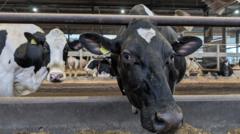
Research shows Pembrokeshire's dairy farms could reduce river pollution while cutting costs by better managing nutrients already on their land. A study found farms import excess fertiliser and feed, creating a 360-tonne annual phosphorus surplus that contaminates waterways; by using existing animal manure more effectively, farmers could save approximately £1m yearly. Hundreds of dairy farms are now calculating their nutrient footprint to tackle the problem affecting these protected rivers.
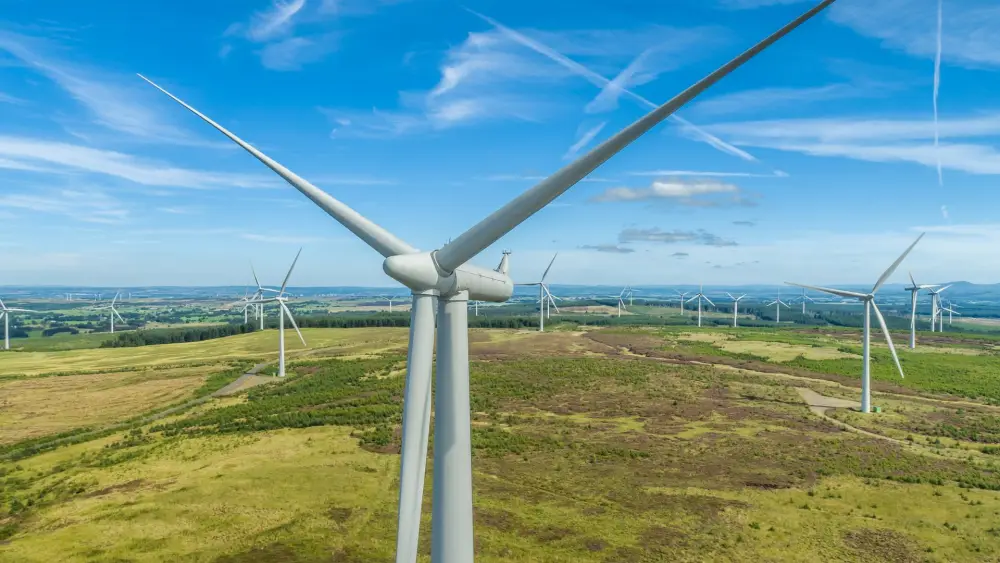
Scotland's Whitelee Windfarm, Europe's largest onshore wind farm, will be rebuilt with approximately 124 larger turbines replacing the current 215 units. The £1.5 billion project aims to double electricity output to power around 650,000 homes by 2035, with the site remaining accessible to visitors during the phased reconstruction.
The UK's largest onshore windfarm is undergoing a major £1.5 billion redevelopment to increase its generating capacity by half through the installation of taller turbines.
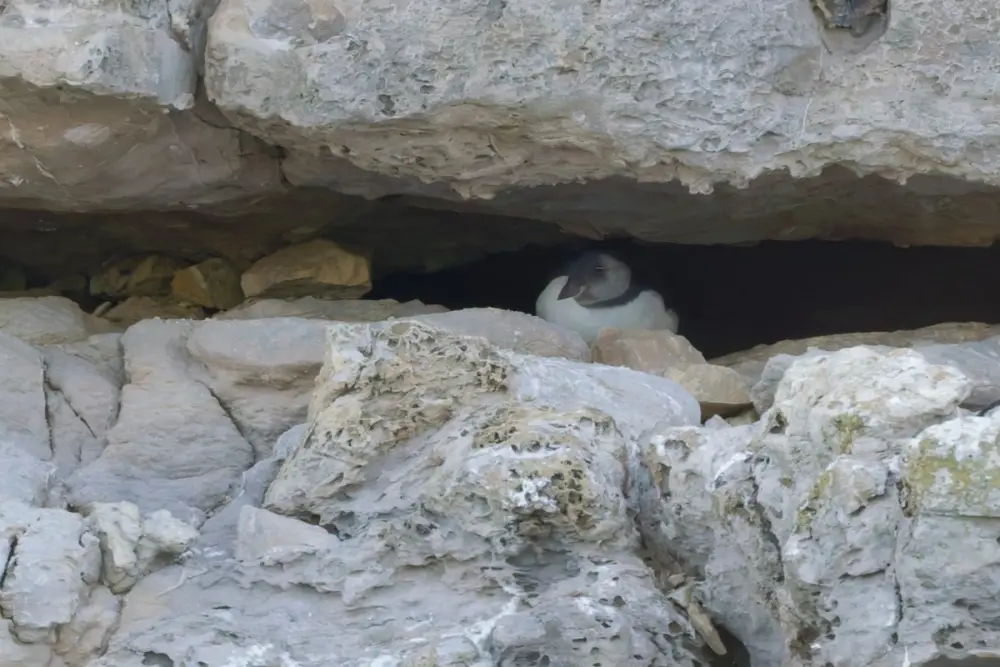
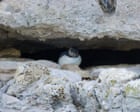
A young puffin has been spotted emerging from its nest in Dorset for the first time in 30 years, marking a significant moment for the region's struggling breeding colony. Volunteers tracked adult puffins over 15 weeks as they courted, nested, and fed their chick, with the fledgling estimated at 38-40 days old when sighted. Though only one chick survived among three breeding pairs, experts view this as hopeful progress for the colony's survival.
After 30 years without sightings, volunteers monitoring Dorset's Purbeck coast spotted a baby puffin—the first fledgling in the region in three decades. The discovery suggests the struggling colony, which has dwindled from 80 pairs in the 1950s to just a handful, may still be capable of successfully raising chicks. Researchers are now using motion-sensor cameras to understand what has prevented breeding success and explore conservation measures.
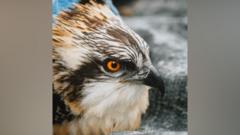
A nature reserve in Cumbria has celebrated a record five osprey chicks, with two breeding pairs contributing to the success. The established pair, now around 18 years old, produced chicks alongside a newer pair that has improved significantly since their first breeding attempt last year.
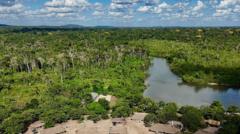
Brazil's Amazon experienced significantly fewer fires in 2025, with burned area dropping 31% compared to historical averages and marking the lowest fire count in 41 years. However, researchers caution this improvement may be temporary, as cooler weather conditions rather than sustained prevention efforts drove the decline, and warmer El Niño patterns could increase fire risk later in the year.
BBBC Science & Environment·
We use analytics cookies to understand how the site is used. You can accept or decline — without consent, nothing is measured.
Learn more

 The Guardian